Introduction
In today’s digital world, almost every customer searches online before buying a product or service. Whether it’s finding a nearby restaurant, shopping for clothes, or hiring a marketing agency, people rely on the internet to make informed decisions. This is where digital marketing plays a vital role.
Digital marketing helps businesses reach the right audience, increase brand awareness, generate quality leads, and boost sales using online channels. Whether you own a small local business or a large company, digital marketing can help you grow faster and compete effectively.
In this beginner’s guide, you’ll learn what digital marketing is, why it matters, its main types, key benefits, and how to get started.
What is Digital Marketing?
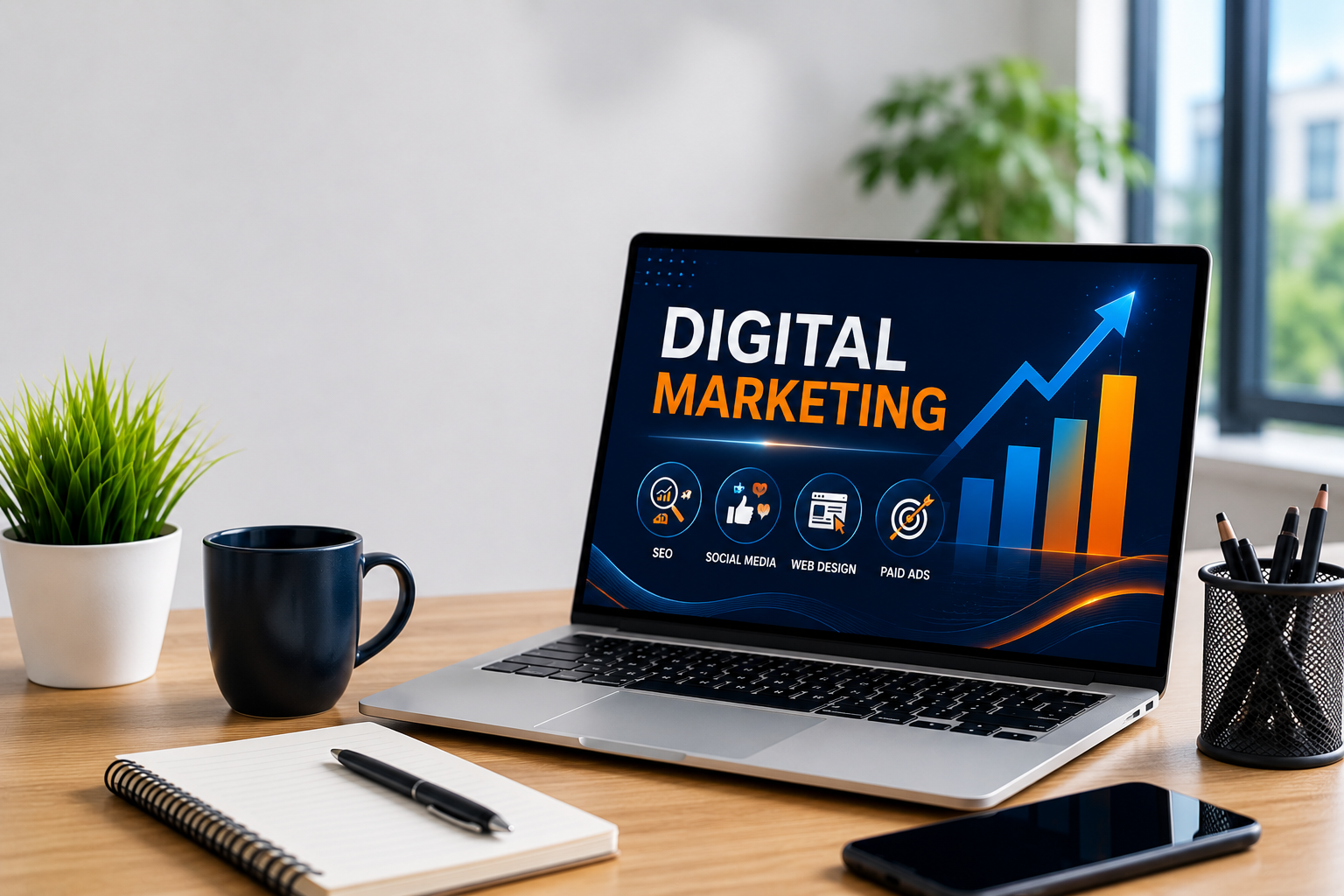
Digital marketing is the process of promoting products, services, or brands through digital channels such as search engines, websites, social media platforms, email, and online advertising.
Unlike traditional marketing methods like newspapers, TV, or radio, digital marketing allows businesses to connect with their target audience in real time, measure campaign performance, and optimize strategies for better results.
Simply put, if your business is promoting itself online, it is using digital marketing.
Why is Digital Marketing Important?
Consumer behavior has changed significantly over the past decade. People now research products online, compare prices, read reviews, and interact with brands before making purchasing decisions.
Digital marketing enables businesses to:
- Reach customers worldwide
- Build trust and brand awareness
- Generate qualified leads
- Increase website traffic
- Improve customer engagement
- Drive online and offline sales
- Measure campaign performance accurately
Without a strong online presence, businesses risk losing customers to competitors who are easier to find online.
Types of Digital Marketing
1. Search Engine Optimization (SEO)
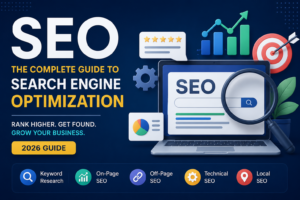
SEO is the practice of improving your website so it ranks higher in search engine results.
SEO includes:
- Keyword research
- On-page optimization
- Technical SEO
- Link building
- Content creation
Higher rankings typically lead to more organic traffic and potential customers.
2. Pay-Per-Click (PPC) Advertising
PPC advertising allows businesses to display paid ads on search engines and other platforms.
Popular PPC platforms include:
- Google Ads
- Microsoft Ads
Businesses only pay when someone clicks on their advertisement, making PPC a measurable and scalable marketing strategy.
3. Social Media Marketing
Social media marketing involves promoting your business through platforms like:
- X (formerly Twitter)
- YouTube
Businesses use social media to:
- Build communities
- Share valuable content
- Increase engagement
- Generate leads
- Run paid advertising campaigns
4. Content Marketing
Content marketing focuses on creating valuable content that educates, informs, or entertains your audience.
Examples include:
- Blog posts
- Videos
- Infographics
- E-books
- Case studies
- Guides
High-quality content helps establish authority and supports SEO efforts.
5. Email Marketing
Email marketing remains one of the highest-return digital marketing strategies.
Businesses use email to:
- Share newsletters
- Promote offers
- Welcome new subscribers
- Recover abandoned carts
- Nurture leads
Personalized email campaigns can significantly improve customer retention.
6. Affiliate Marketing
Affiliate marketing involves partnering with individuals or businesses that promote your products in exchange for a commission on successful sales or leads.
7. Influencer Marketing
Influencers with loyal audiences can help brands increase visibility and trust by recommending products or services to their followers.
8. Mobile Marketing
Mobile marketing targets users through smartphones and tablets using:
- Mobile-friendly websites
- SMS campaigns
- Mobile apps
- Push notifications
- Location-based marketing
With the majority of internet users browsing on mobile devices, this channel is increasingly important.
Benefits of Digital Marketing
Businesses choose digital marketing because it offers several advantages:
Cost-Effective
Compared to traditional advertising, digital marketing often delivers better results with lower budgets.
Measurable Results
You can track:
- Website visitors
- Clicks
- Leads
- Sales
- Conversion rates
- Return on investment (ROI)
Better Targeting
Digital marketing allows businesses to target audiences based on:
- Age
- Location
- Interests
- Behavior
- Device
- Search intent
Increased Brand Awareness
Consistent online visibility helps customers remember and trust your brand.
Higher Engagement
Businesses can interact directly with customers through comments, messages, emails, and social media.
Scalability
Campaigns can be adjusted quickly based on performance and business goals.
Digital Marketing vs Traditional Marketing
| Traditional Marketing | Digital Marketing |
|---|---|
| TV, Radio, Newspaper | Search Engines, Social Media, Websites |
| Expensive | Budget-Friendly |
| Difficult to Measure | Easy to Track |
| Broad Audience | Highly Targeted Audience |
| Limited Interaction | Real-Time Engagement |
How to Get Started with Digital Marketing
If you’re new to digital marketing, follow these steps:
- Create a professional website.
- Define your target audience.
- Research relevant keywords.
- Publish valuable content regularly.
- Optimize your website for SEO.
- Create business profiles on major social media platforms.
- Build an email list.
- Run targeted advertising campaigns when appropriate.
- Analyze your results using tools like Google Analytics and Google Search Console.
- Continuously improve your strategy based on data.
Common Mistakes Beginners Make
Avoid these common errors:
- Ignoring SEO
- Publishing low-quality content
- Inconsistent posting
- Not tracking performance
- Focusing only on followers instead of conversions
- Poor website user experience
- Not optimizing for mobile devices
The Future of Digital Marketing
Digital marketing continues to evolve with advancements in artificial intelligence, automation, voice search, personalization, and data analytics.
Businesses that embrace new technologies while focusing on delivering value to customers will be better positioned for long-term success.
Conclusion
Digital marketing is no longer optional—it’s an essential part of growing a business in today’s online-first world. By using strategies such as SEO, content marketing, social media marketing, email marketing, and paid advertising, businesses can reach more customers, build stronger relationships, and increase revenue.
Whether you’re starting a new business or looking to expand an existing one, investing in digital marketing can help you achieve your goals more efficiently.
Start with the basics, remain consistent, measure your results, and continue learning as digital marketing evolves.
Frequently Asked Questions (FAQs)
1. What is digital marketing in simple words?
Digital marketing is the promotion of products or services using the internet and digital platforms such as search engines, websites, social media, email, and online advertising.
2. Is digital marketing good for small businesses?
Yes. It is affordable, highly targeted, measurable, and helps small businesses compete with larger brands.
3. Which digital marketing strategy is best for beginners?
Search Engine Optimization (SEO) and content marketing are excellent starting points because they provide long-term organic growth.
4. How long does digital marketing take to show results?
Paid advertising can produce results quickly, while SEO and content marketing usually require several months of consistent effort to build momentum.
5. Can I do digital marketing without a website?
While it’s possible to market through social media or online marketplaces, having a professional website gives your business greater credibility, control, and long-term growth potential.